
Market
What the Jim Irsay collection taught the world
When provenance is ironclad and significance undeniable, the market will pay prices once reserved for fine art.
Gearcheck
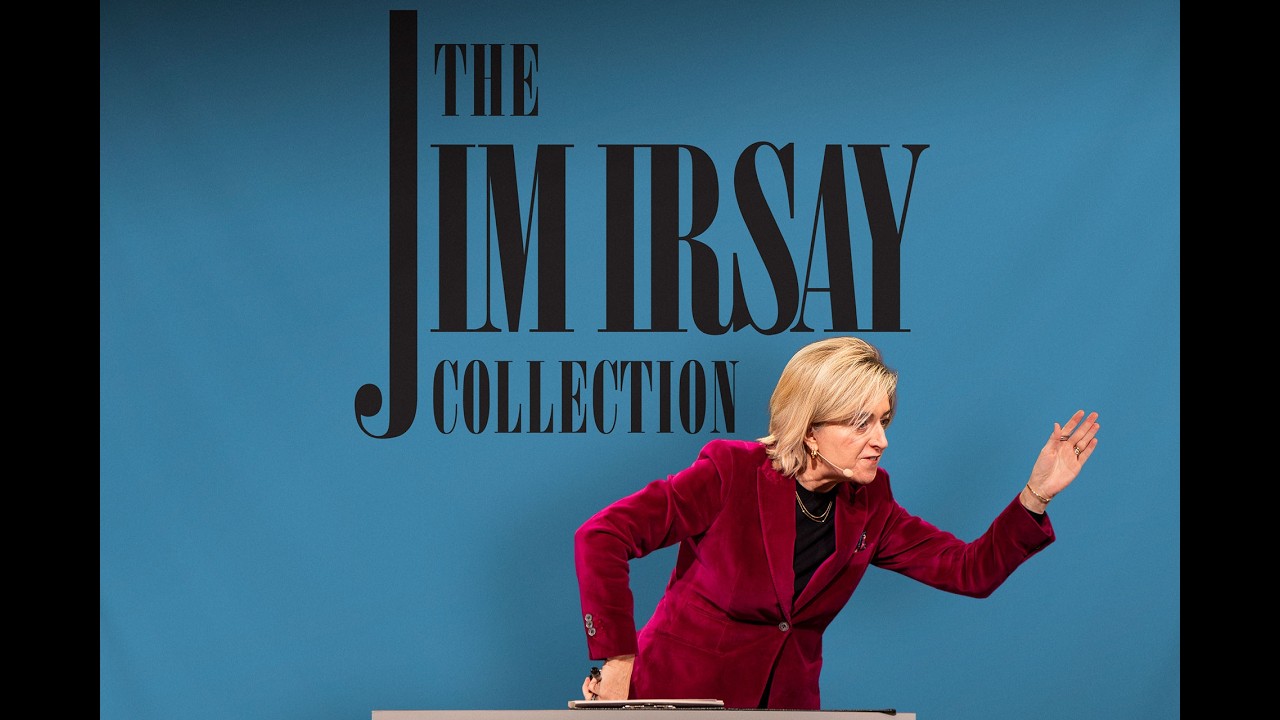
In March 2026, Christie's in New York staged a series of sales from the Jim Irsay Collection that permanently recalibrated the market for high-value guitars. The overall total approached or exceeded $94.5 million across the main sessions — nearly four times the low estimates, 100 percent sold by lot, and the highest result ever recorded for a memorabilia auction. Twenty-eight world records fell in the process.
The guitar results were seismic. David Gilmour's “Black Strat,” the 1969 Fender Stratocaster heard on The Dark Side of the Moon, Wish You Were Here, and The Wall, sold for $14.55 million after a prolonged bidding war — the highest price ever paid for any guitar at auction. Jerry Garcia's custom “Tiger” followed at $11.56 million. Kurt Cobain's “Smells Like Teen Spirit” Fender Mustang reached $6.907 million. Eric Clapton's MTV Unplugged Martin 000-42 brought $4.101 million; his psychedelic “Fool” Gibson SG achieved $3.003 million. David Gilmour's Wish You Were Here Martin D-35 sold for $2.393 million, and George Harrison's 1964 Gibson SG Standard for $2.271 million. Even pure vintage American instruments without celebrity ownership — most notably a 1939 Martin D-45 — commanded strong six-figure sums.
The single most expensive guitar auction night alone generated more than $84 million.
What the world learned is straightforward and consequential. When provenance is ironclad, cultural significance is undeniable, and the object itself is an American-made icon of the mid-twentieth century, the market will pay prices once reserved for major works of fine art. Player history, documented use on landmark recordings, and unbroken ownership chains proved decisive. At the same time, the results underscored a harder truth: confidence is everything. At these levels, any ambiguity in authenticity, condition, or ownership history becomes an immediate liability.
The Jim Irsay sales did not invent the idea that great guitars can be great collectibles. They simply made the scale of that reality impossible to ignore. Instruments that carry clear, verifiable stories — anchored in primary evidence rather than anecdote — have separated themselves from the rest of the market in a way that is likely to endure.
For anyone building, preserving, or transferring high-value instruments, the lesson is practical. The future premium will continue to favor those pieces whose histories can be proven, organized, and trusted.
Every record. Every story.
More stories
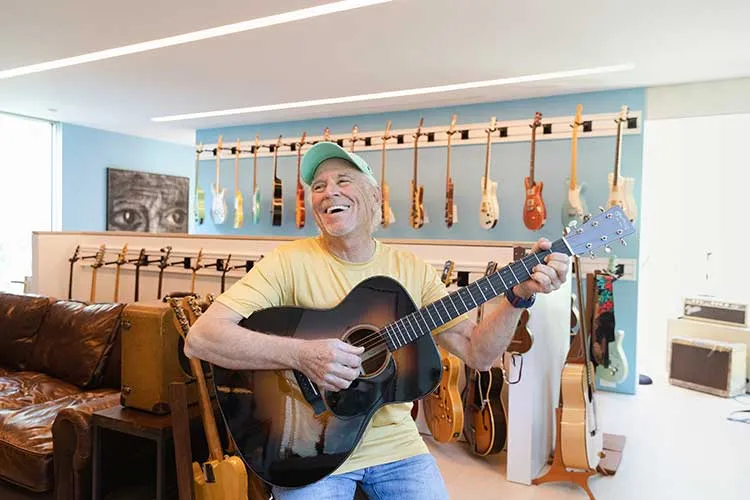
Gearcheck selected to organize and curate the Jimmy Buffett collection
The estate has entrusted Gearcheck with documenting the instruments that carried a lifetime of songs — ahead of a sale at Christie's.
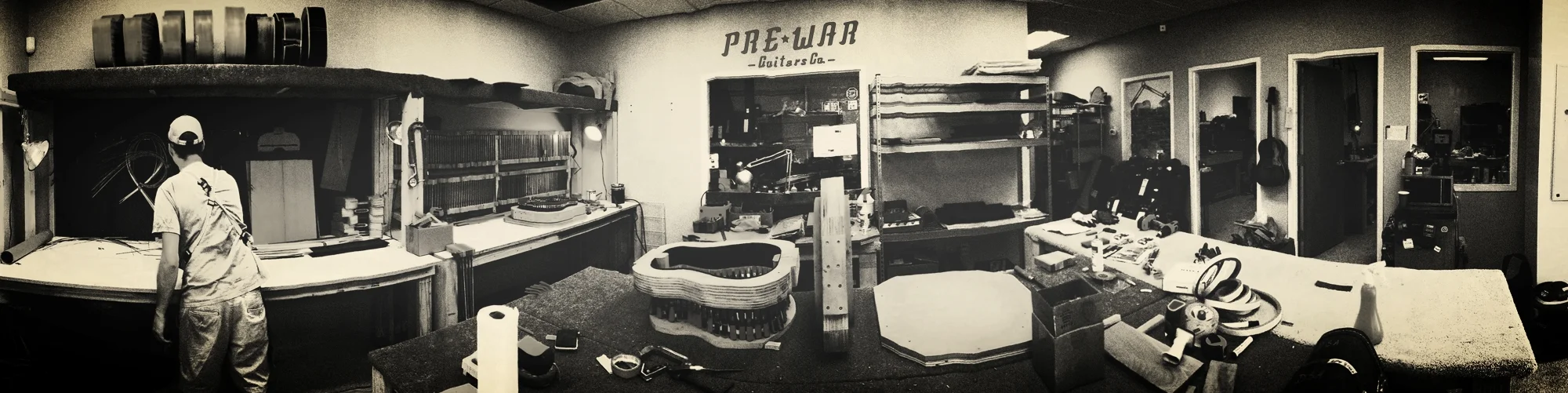
Pre-War Guitars Co. adds Gearcheck as an optional provenance layer
New old guitars of the future, now able to start their documented story on day one.

Vince Gill uses Gearcheck to stay in tune with his mighty collection
Twenty-two Grammys, a lifetime of instruments, and a collector who has never been inclined to sell.