
Get the Record Straight.
Out of the shadows and into the light, Gearcheck strengthens the musical instrument market by creating one source of truth.
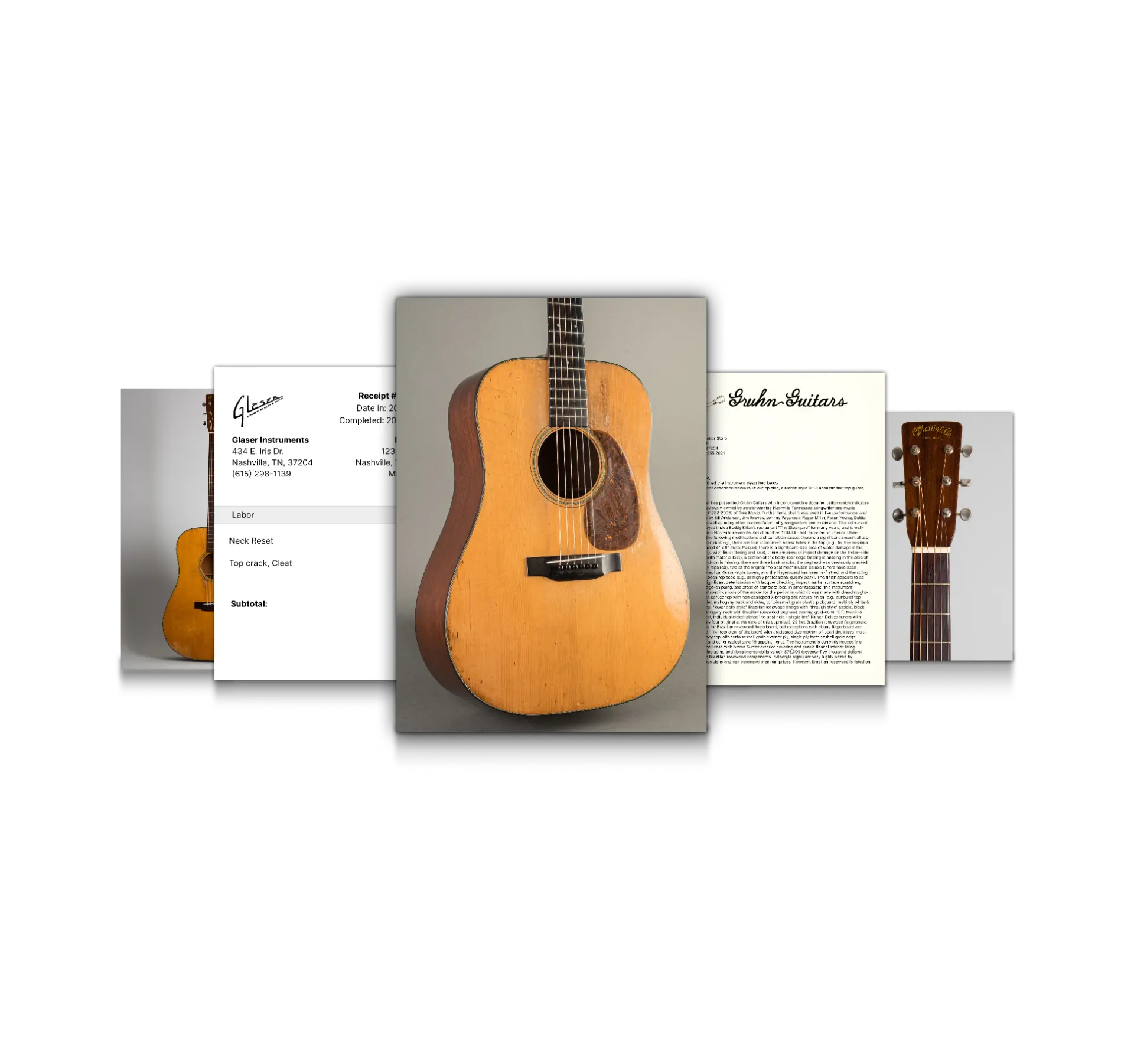
Every receipt, letter and photo in one place
Appraisals, repair invoices, press photos and certificates attach directly to the instrument's record.
Learn more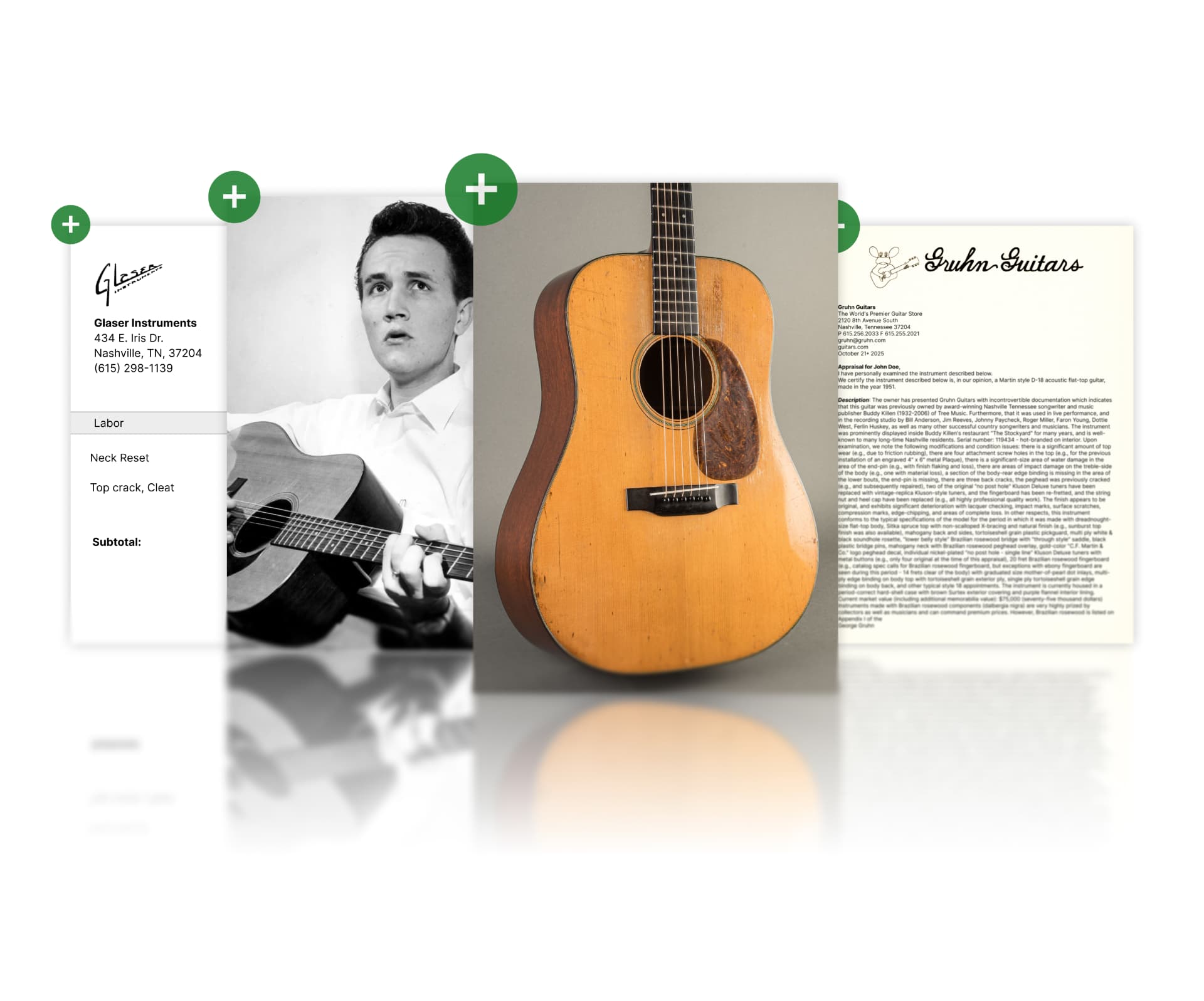
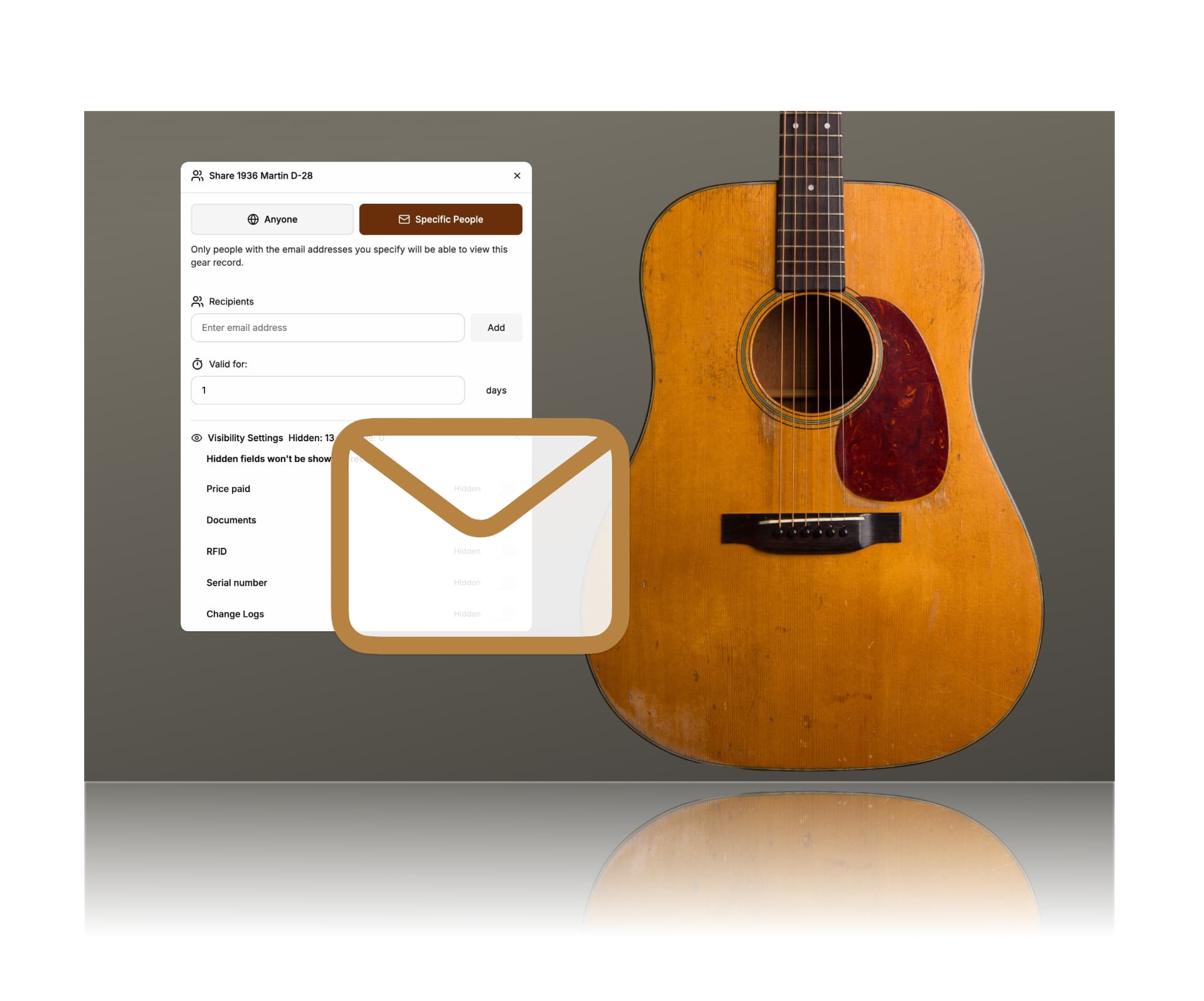
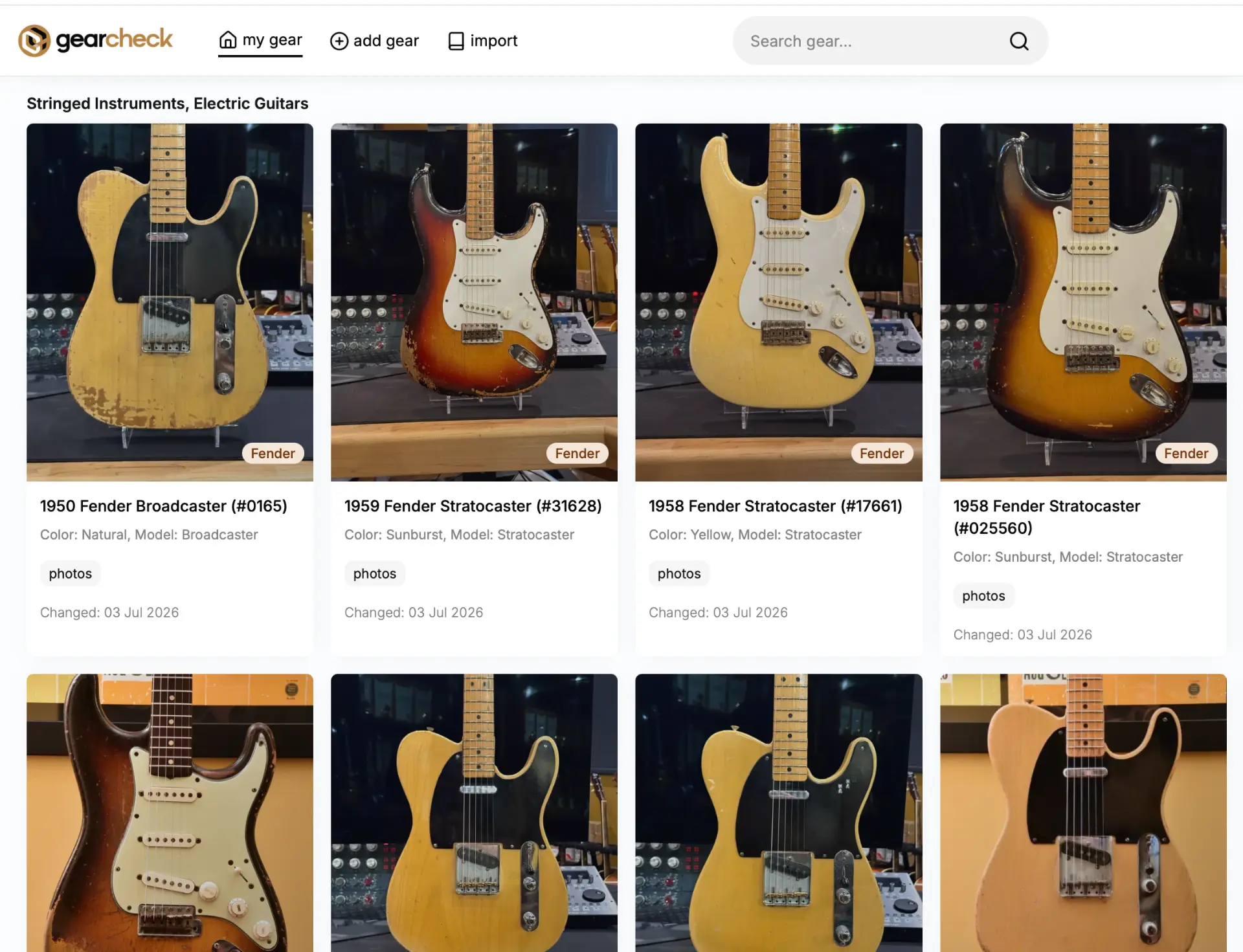
Know what you own, and everything it has been through.
Purchase, repair, appraisal, tour, sale — an instrument collects paperwork its whole life, and most of it gets lost. Gearcheck keeps it in one private archive that stays organised as the collection grows.
A record per instrument
Serial, specification, photographs, documents and the running story of the piece, held together instead of scattered across drawers and inboxes.
Where it lives
Track instruments across rooms, studios, storage and loans, so the answer to "where is it" never depends on somebody's memory.
Service and setup history
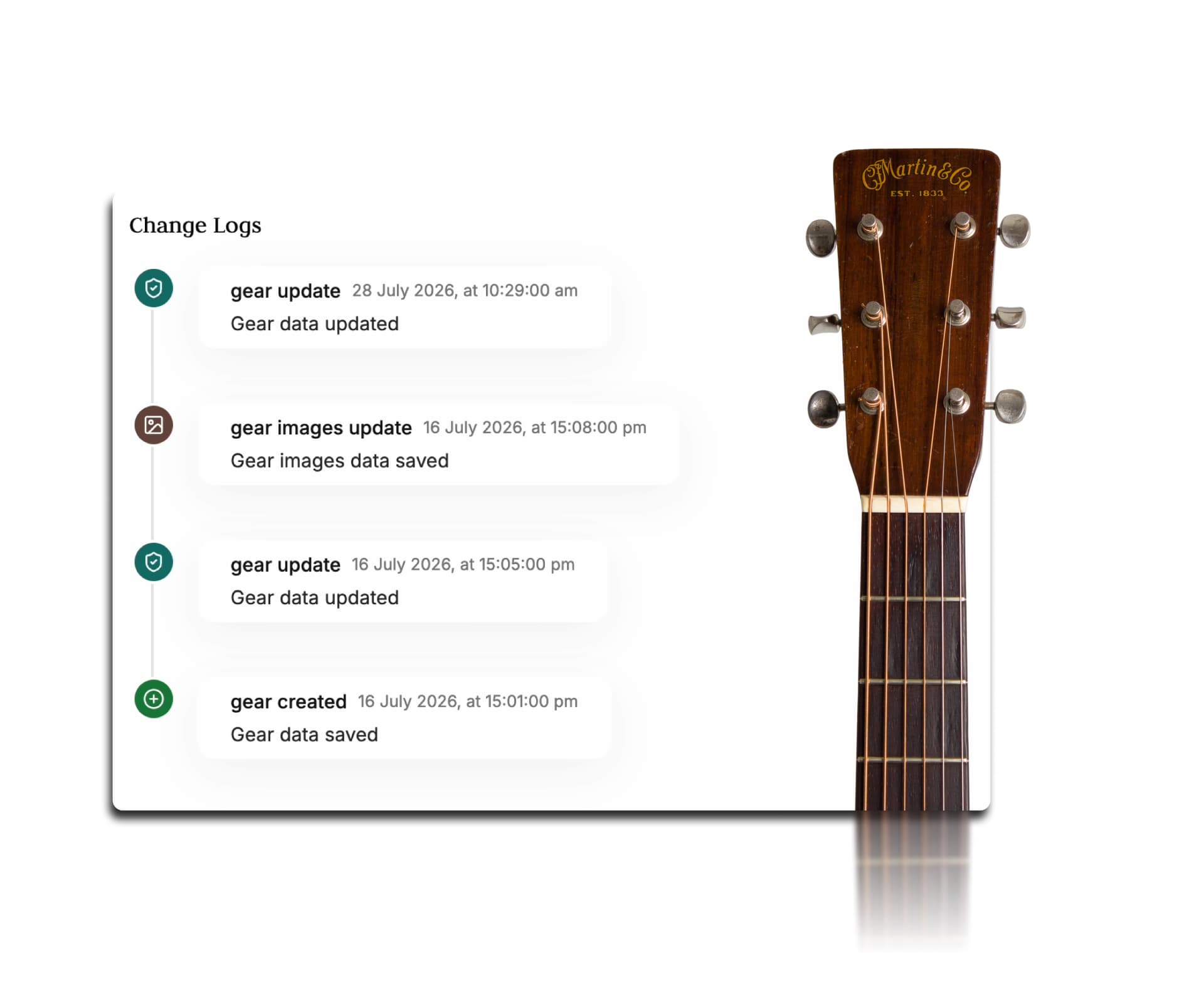
Every visit to a bench adds a dated entry. Over years, that maintenance record becomes part of what the instrument is worth.
BUILT FOR INSTITUTIONS, TOO
Studios, museums and schools use the same archive to keep continuity across staff changes, insurance renewals and decades of inventory.
The trusted guide, plus what the market is actually doing.
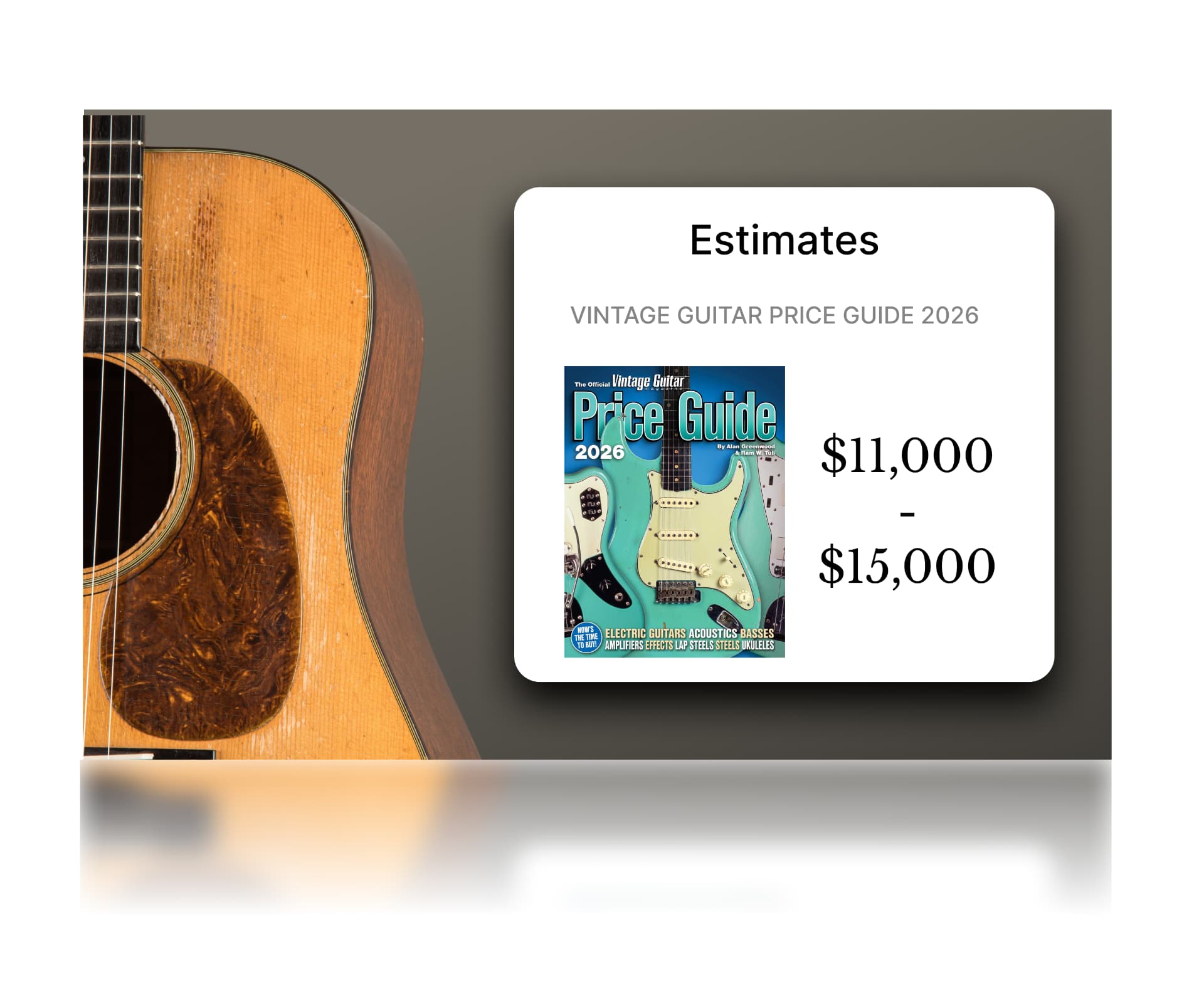
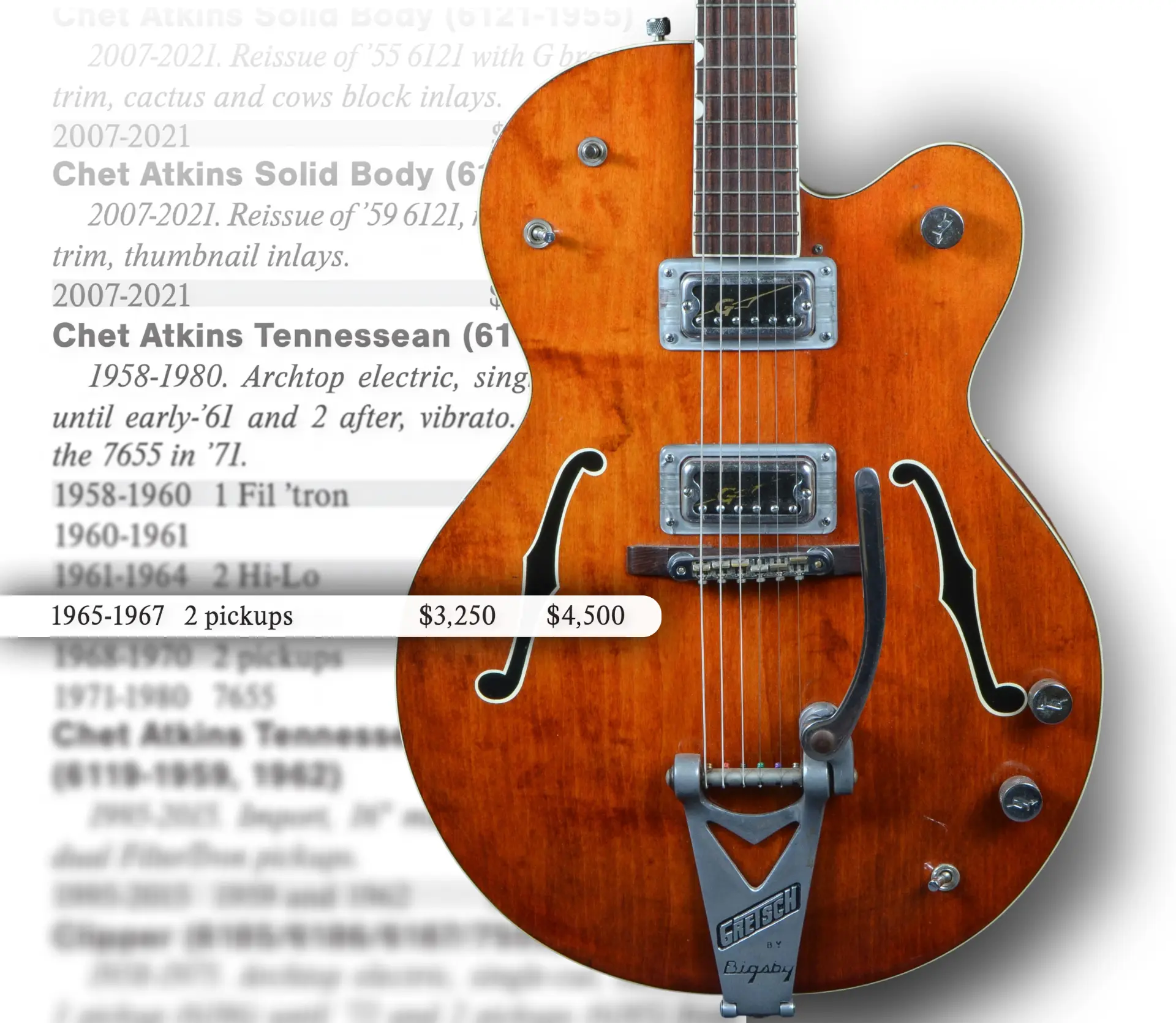
Census — private betaGearcheck holds the only digital edition of the Vintage Guitar Price Guide, mapped onto the instruments you own. Alongside it, the Census reads live listing prices and locations across the market. Together they turn a valuation from an opinion into a reading.
The Census
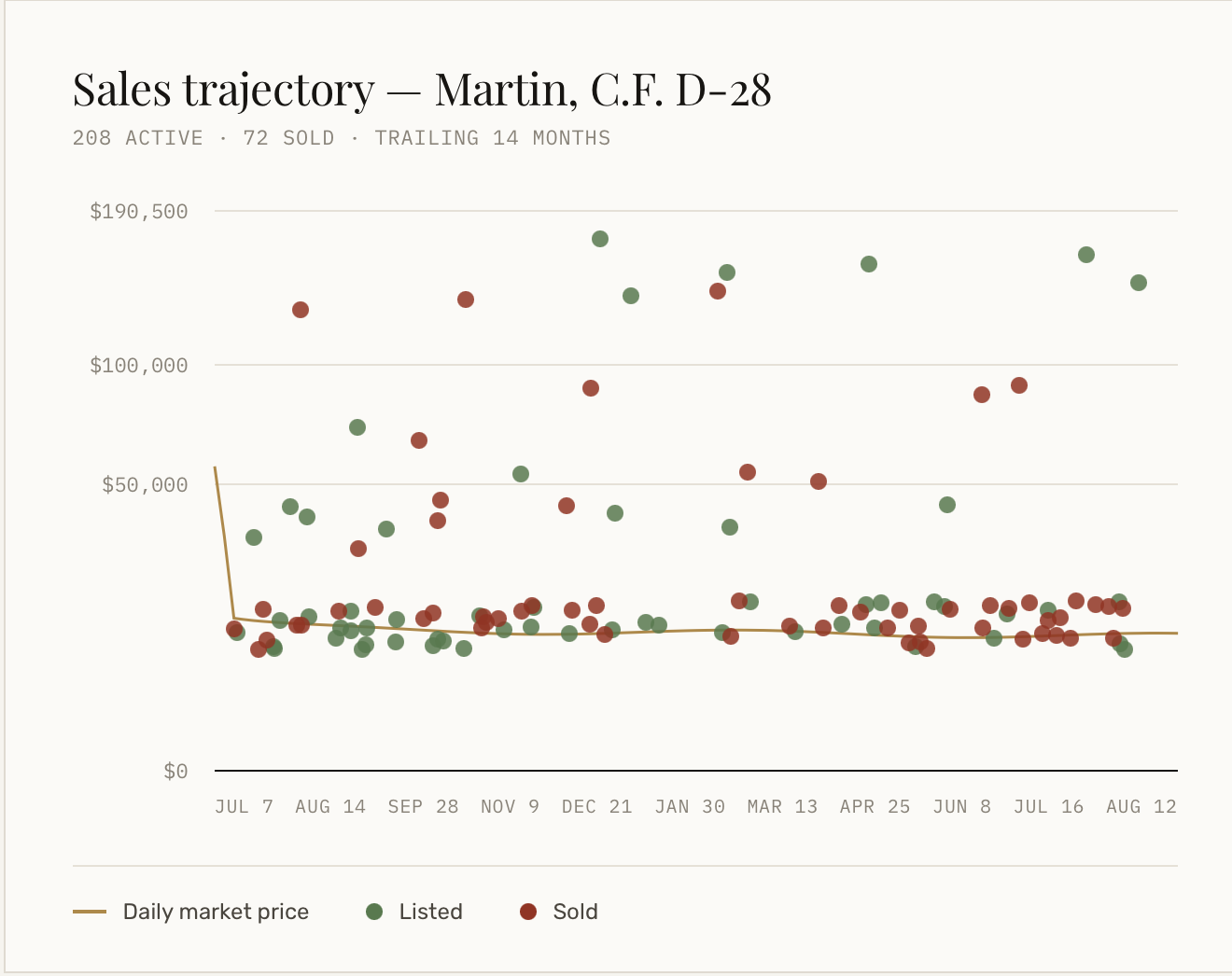
Real listing prices and locations gathered across the market, so value reflects what instruments are being offered and sold for right now.
Value over time
Watch a collection move with the market rather than reconstructing numbers the week before an insurance renewal.
One number, many uses
The same valuation supports insurance, estate planning, a sale conversation and a professional appraisal.
Appraise from a record, not a blank page.
Appraisers spend most of their time assembling information that already exists. Gearcheck puts the instrument's history and market data in front of them, then turns the finished report into something the owner keeps forever.
Evidence on hand
Provenance, service history, photographs and published values are already attached to the instrument when the appraisal begins.
Reports that hold up
Every figure can be traced to its source, which is what makes an appraisal defensible to an insurer, a court or a buyer.
Client delivery
Share the completed appraisal with the owner in the platform. It lives on the instrument rather than in an email attachment.
A standing client relationship
When the record stays live, the next revaluation is an update rather than a fresh engagement from scratch.
- Instrument
- 1959 Gibson Les Paul Standard
- Serial
- 9 0824
- Condition
- Excellent, original save tuners
- Basis
- Price Guide 2026 · Census listings (14)
$385,000
M. Zeller
Appraiser of record
Delivered to owner
Kept on the record, for life
Proof issued by the people who were actually there.
The strongest provenance is written by the builder who made the instrument, the shop that serviced it and the dealer who sold it. Gearcheck lets each of them sign their own chapter, so the record gets harder to dispute with every hand it passes through.
Birth certificates
Builders log specification, materials, dates and photographs as the instrument is finished, so the paperwork that usually disappears is captured at the source.
Many authors, one story
Owners, shops, dealers and appraisers each add their own chapter. No single party controls the history, which is exactly why it can be trusted.
Certificates of authenticity
Builders and dealers can apply to issue COAs through Gearcheck, tying an authenticated claim to the specific instrument rather than a piece of paper.
Quietly permanent
Entries are anchored so they cannot be quietly edited after the fact. The technology stays in the background; the trust is the point.
Builder
1959Birth certificate — specs, woods, photographs, signed at completion.
Block 000 0010x9f2c…4ae1Signed & sealedRepair shop
1984Refret and neck reset, documented at the bench.
Block 000 0020x3b71…c082Signed & sealedDealer
2011Sale recorded, provenance file attached, shop credited.
Block 000 0030xd45a…19f7Signed & sealedCollector
TodayOwnership held privately, history intact and travelling on.
Block 000 0040x7e08…b6d3Signed & sealed
Each author signs their own entry — nothing is rewritten
Works with the tools you trust.
No shop needs another piece of software to keep updated. Gearcheck connects to the tools builders, repair shops and dealers already use, so records are created as a by-product of the day's work. Existing inventories come across in one pass, and tags keep the physical instrument tied to its record.
Shopflow
Bench work written up in Shopflow lands on the instrument's record. The tech does the job; the documentation happens on its own.
Shopify
When an instrument sells through your store, the record transfers to the buyer with the history intact — and your shop stays credited on it.
Bring your columns
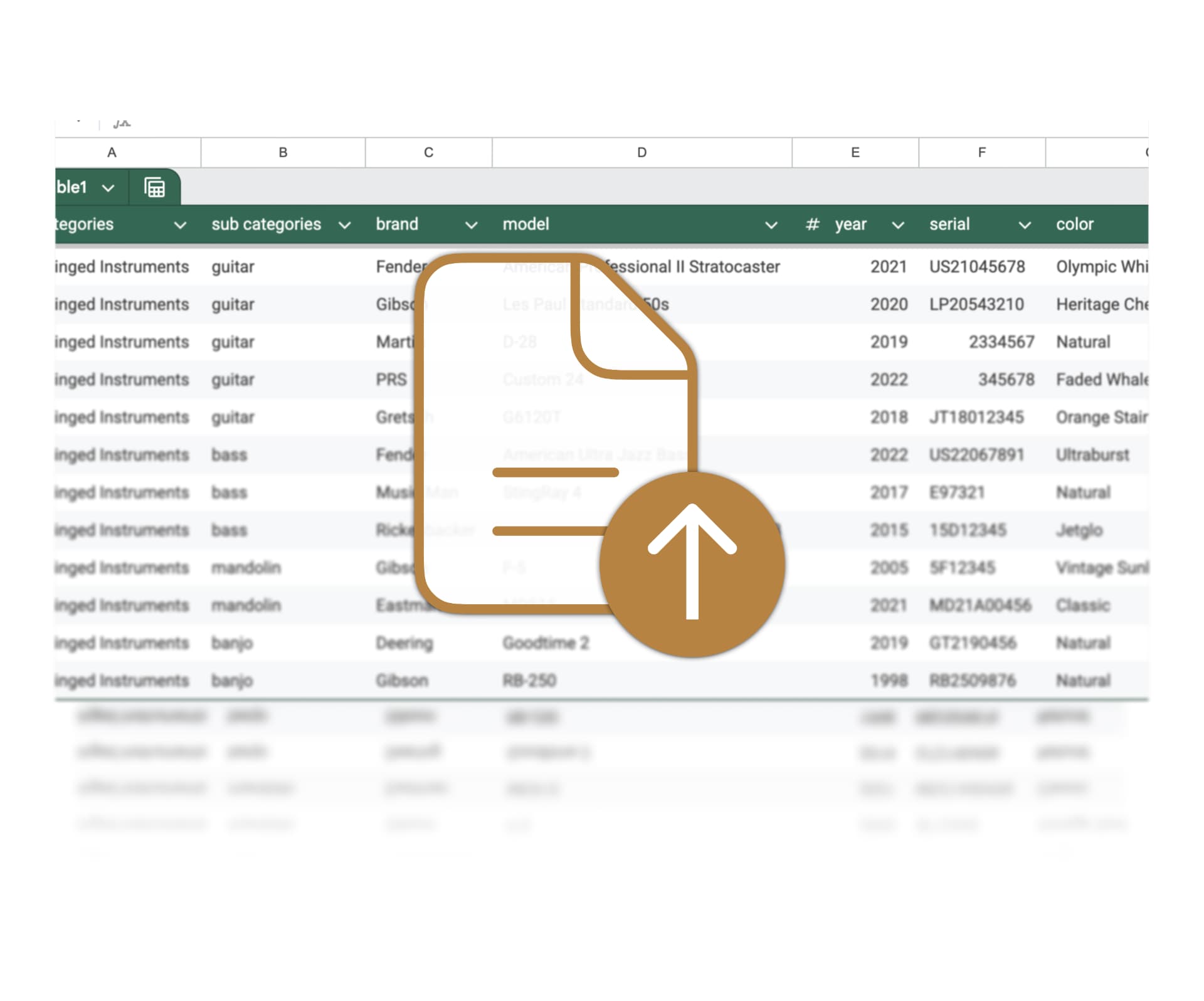
Map your existing fields onto Gearcheck records rather than reshaping years of work to fit a template.
Review before it lands
See what will be created, catch duplicates, and fix mismatches before anything is committed.
Installed at the source
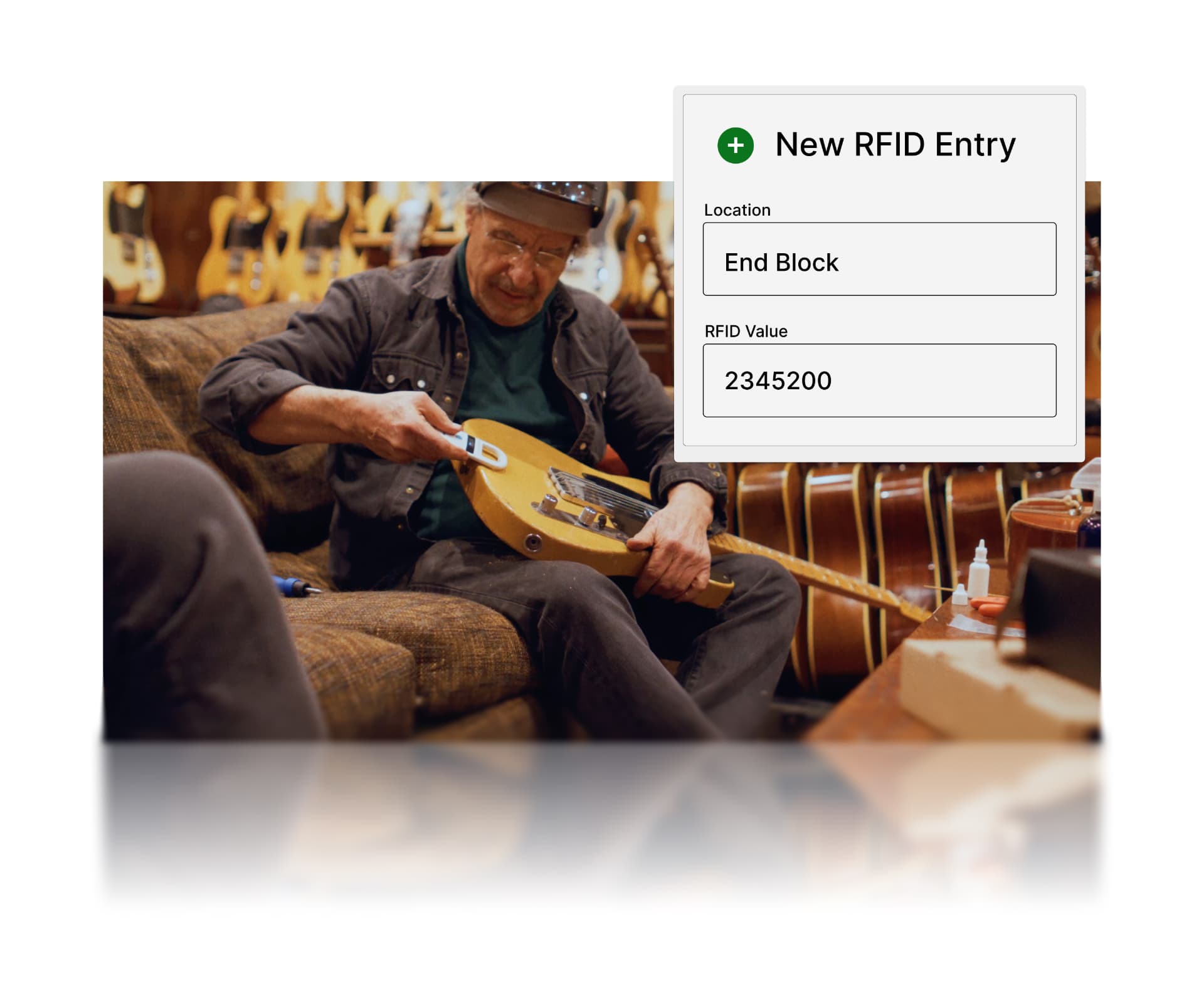
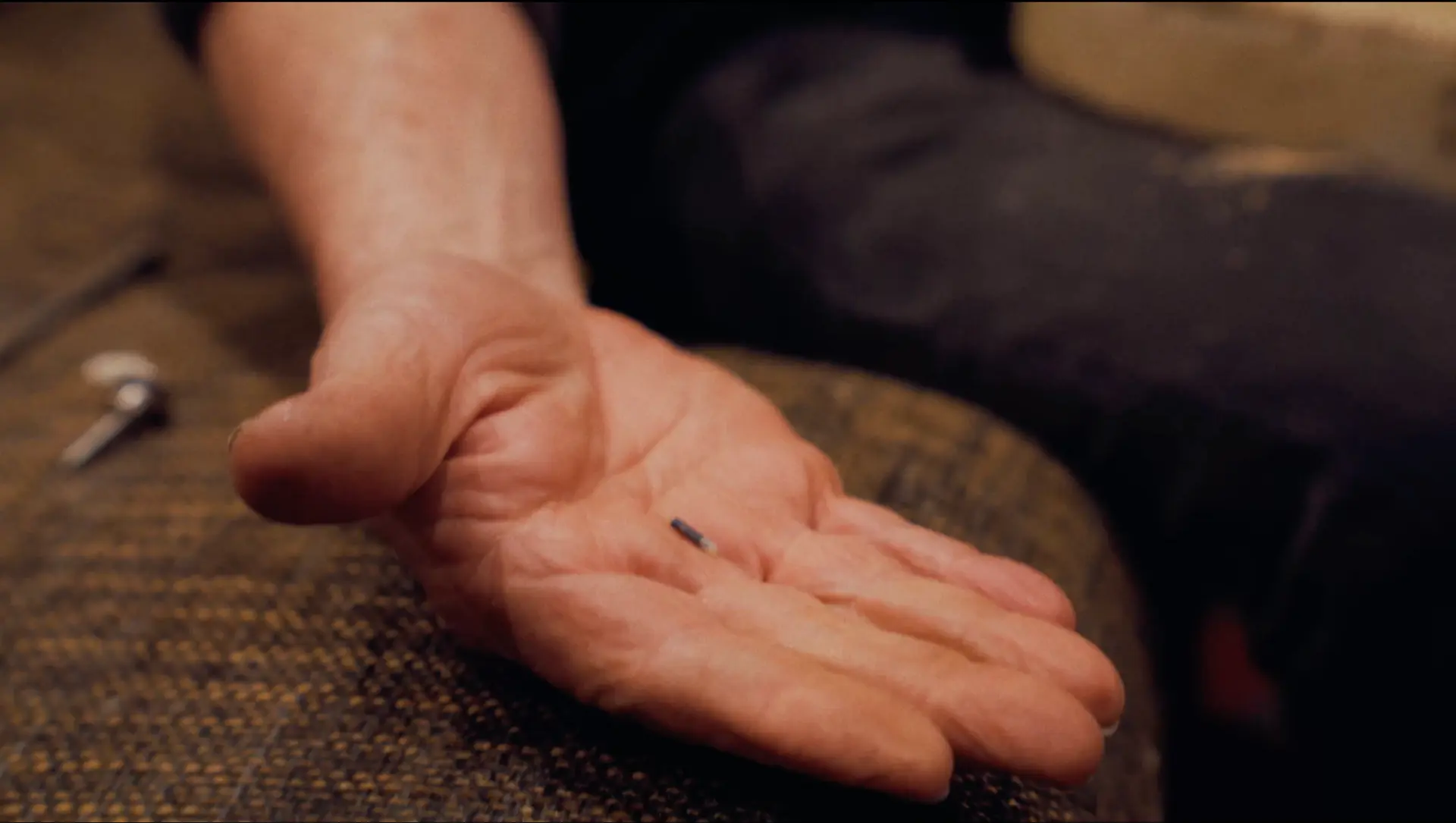
Builders fit tags during construction so an instrument leaves the shop already connected to its record.
Verify in seconds
A dealer, appraiser or buyer can confirm in the room that the instrument in front of them matches the documented one.

Automatic touch-free service history and builder authentication.

Create a purchase experience that is as beautiful as in-store.
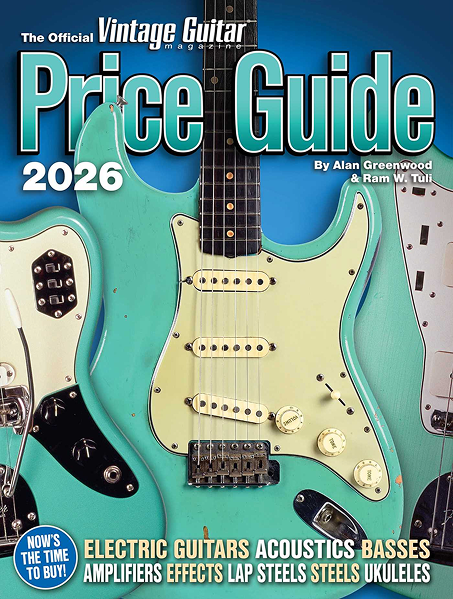
Market data and valuation tools from the definitive price guide.

Spreadsheets and insurance schedules, mapped and reviewed.
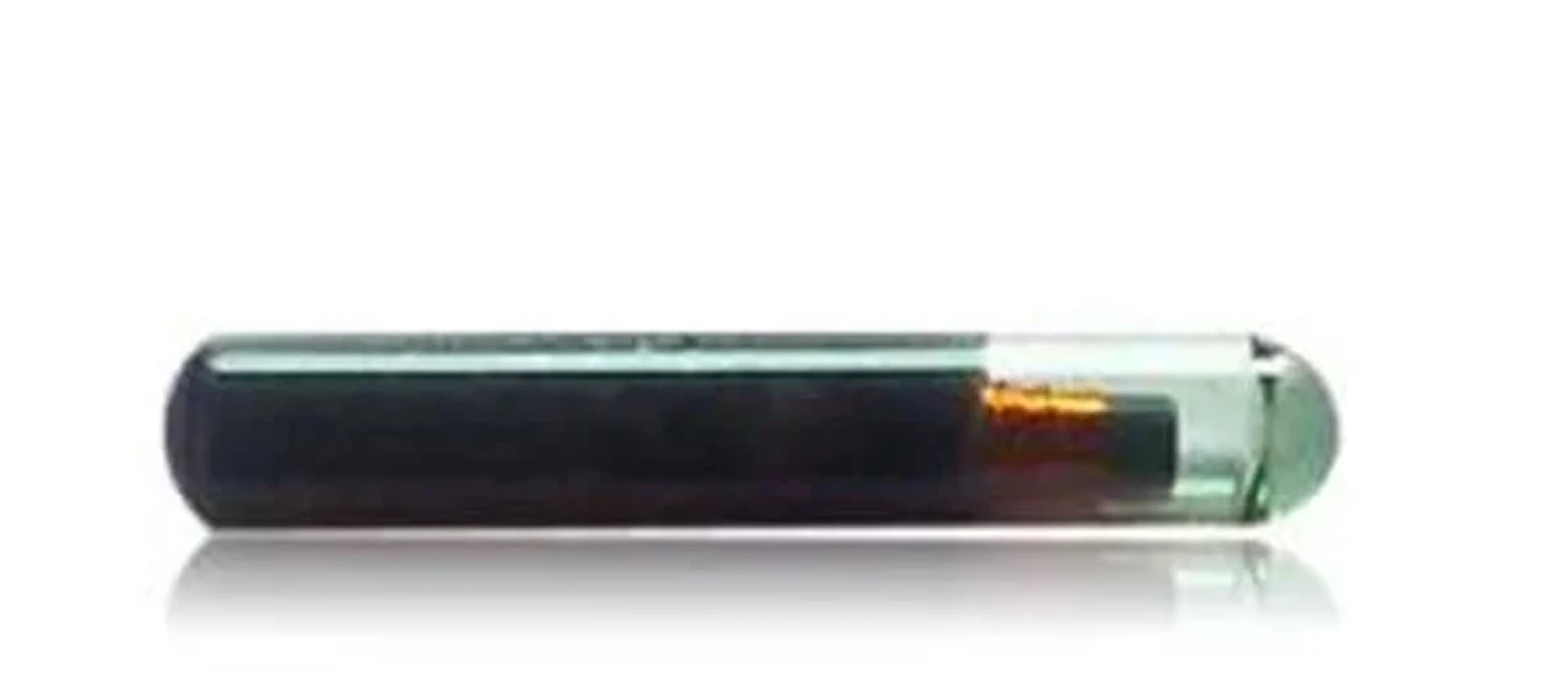
A tap links the instrument in your hands to its record.
Start free. Grow as the archive does.
Basic
Free
Always free
- 10 instruments
- 500 MB storage
- Private collection management
- Blockchain authentication
Pro
$14.99
Per month
- Unlimited instruments
- 25 GB storage
- CSV import / export
- Location tracking
- RFID/NFC security
Reserve
On request
Concierge service
- White-glove inventory
- Accredited appraisals
- Insurance services
- Exclusive member trading
- Dedicated archivist
Questions, plainly answered.
You do. Gearcheck is a neutral place to keep an instrument's history — the record belongs to the instrument and its current owner, and it travels when the instrument changes hands.
No — you can keep a full record without it. If you want values mapped onto your instruments, the Price Guide is available as an add-on and requires a paid subscription.
The Census is our live dataset of listing prices and locations across the market. It is currently in private beta, and gives owners and appraisers grounded reference points for what guitars are really worth.
Underneath, we use a ledger so records are timestamped and can be verified. But the point isn't the technology — it's that the story of an instrument holds up over time.
No. We're deliberately independent of marketplaces, insurers and manufacturers so the record can be trusted by all of them.