
Essay
The real-world case for blockchain in the instrument world
When the history is clear and permanent, confidence rises. And confidence is value.
Gearcheck
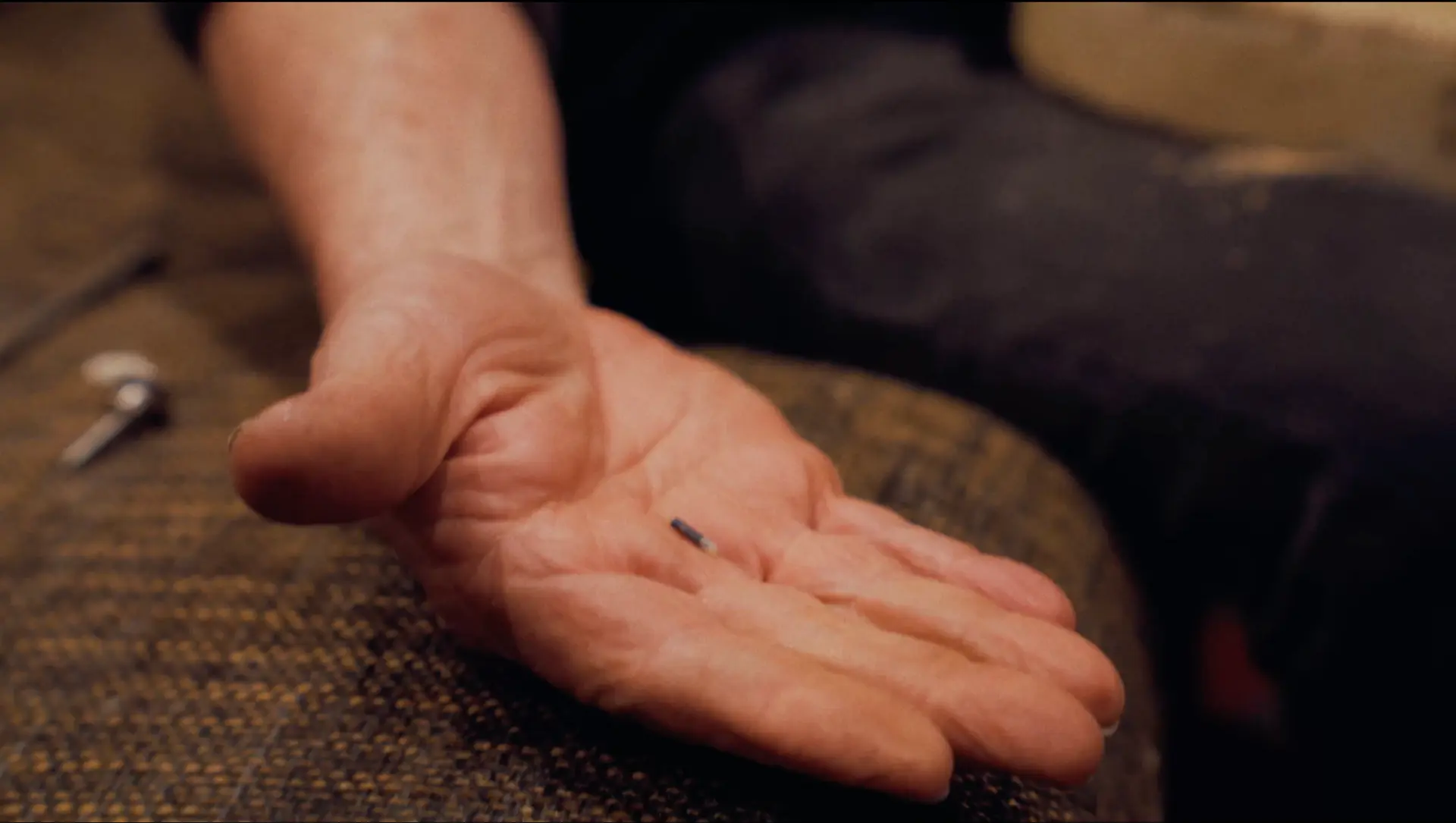
Blockchain carries a heavy load of mystique. For many people it still conjures images of cryptocurrency speculation, complex technical jargon, and solutions looking for problems. That reputation has made the technology harder to understand than it needs to be. Stripped of the noise, blockchain is simply a shared, permanent ledger — a way of recording information so that once something is written, it cannot be quietly altered or erased.
In practical terms, it creates an immutable timeline of records. Each new entry is cryptographically linked to the ones before it. Changing any previous entry would break the chain and be immediately visible. The system does not require a single central authority to keep the history honest; the structure itself enforces permanence.
That property is useful in the instrument world for one primary reason: provenance. High-value guitars, violins, and other instruments derive much of their worth from authenticity, ownership history, condition records, and the stories attached to them. Paper files get lost. Spreadsheets get corrupted or disputed. Dealer notes remain incomplete. Photographs and certificates can be separated from the object they describe. When those records live only in private hands, confidence erodes over time — especially across decades, estate transfers, or changes in ownership.
A ledger does not magically prove that an instrument is original or that a story is true. It cannot replace expert examination, forensic analysis of finishes and materials, or careful historical research. What it can do is lock the results of that work into a permanent, timestamped record that travels with the instrument. Once a verified history — serial numbers, photographs, material analysis, ownership chain, maintenance notes — is anchored, that record becomes difficult to rewrite or detach. Future owners, insurers, appraisers, and institutions can consult the same underlying history rather than reconstructing it from incomplete sources.
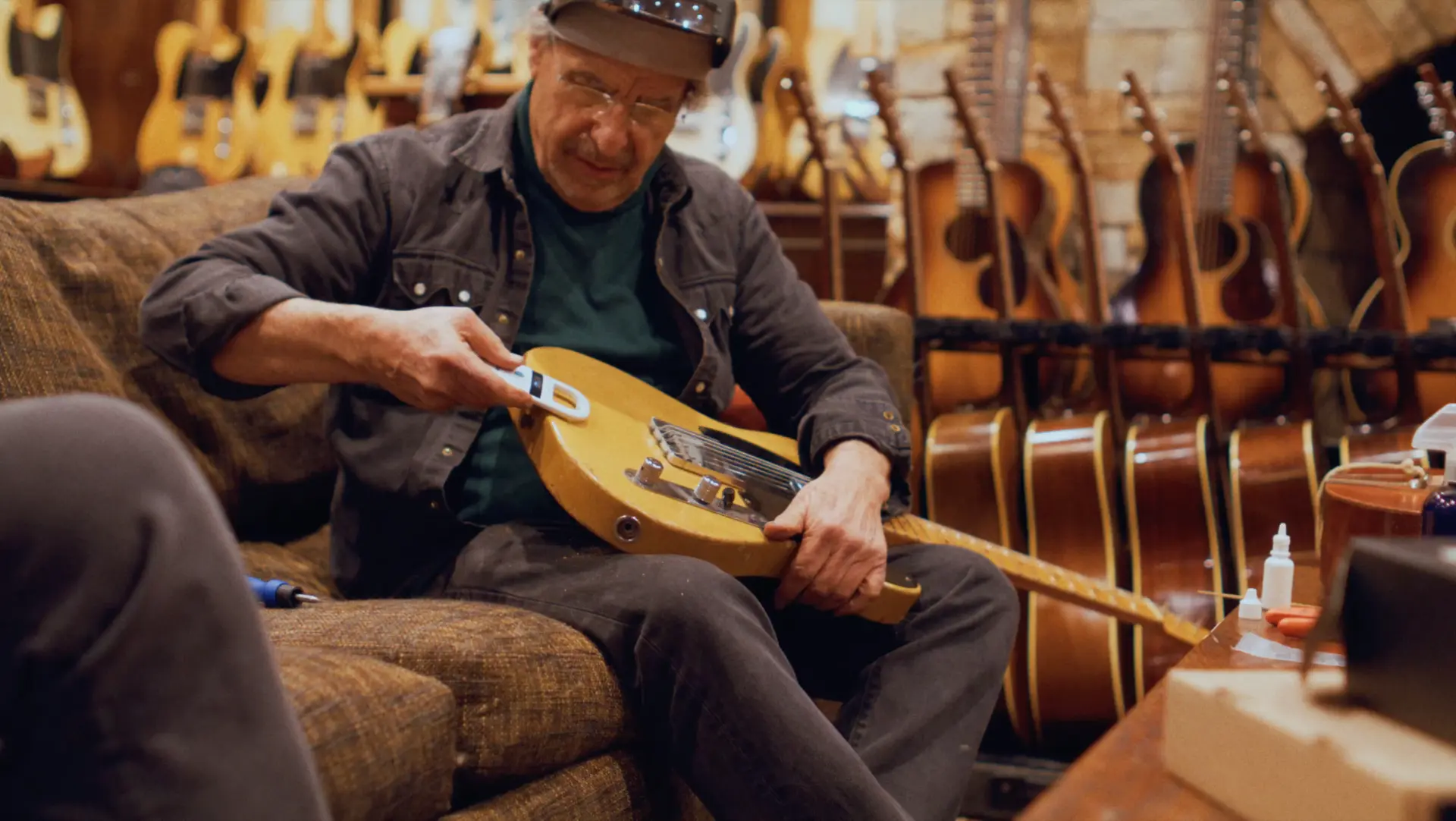
The challenges are real. These systems require careful design so that the link between the physical instrument and its digital record remains strong, through unique identifiers, RFID, or equivalent methods. The quality of the data entered still depends on human diligence and expertise. Adoption takes time, and education is necessary so that users understand both the strengths and the limits of the technology. This is not a marketplace tool or a speculative asset; it is infrastructure for permanence.
Gearcheck uses it for exactly this purpose: to give the best instruments a durable, organized, and trustworthy digital history. We do not treat the technology as a novelty. We treat it as a practical answer to a long-standing problem — how to keep the stories and records of important instruments intact as they move through time, ownership, and generations. When the history is clear and permanent, confidence rises. And in the instrument world, confidence is value.
Every record. Every story.
More stories
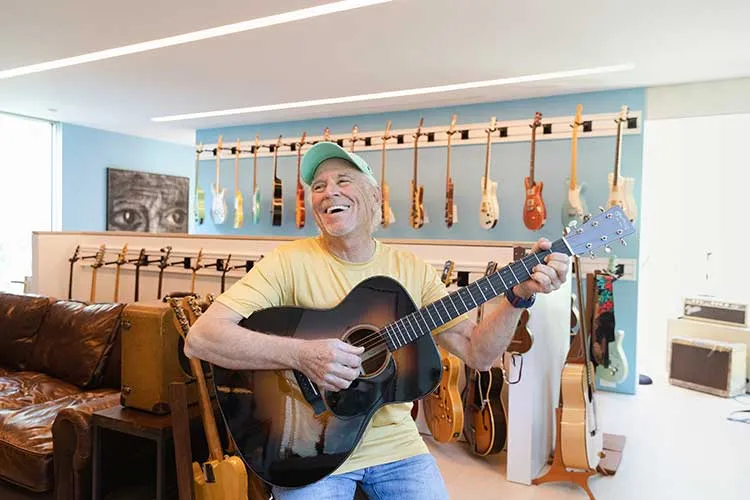
Gearcheck selected to organize and curate the Jimmy Buffett collection
The estate has entrusted Gearcheck with documenting the instruments that carried a lifetime of songs — ahead of a sale at Christie's.
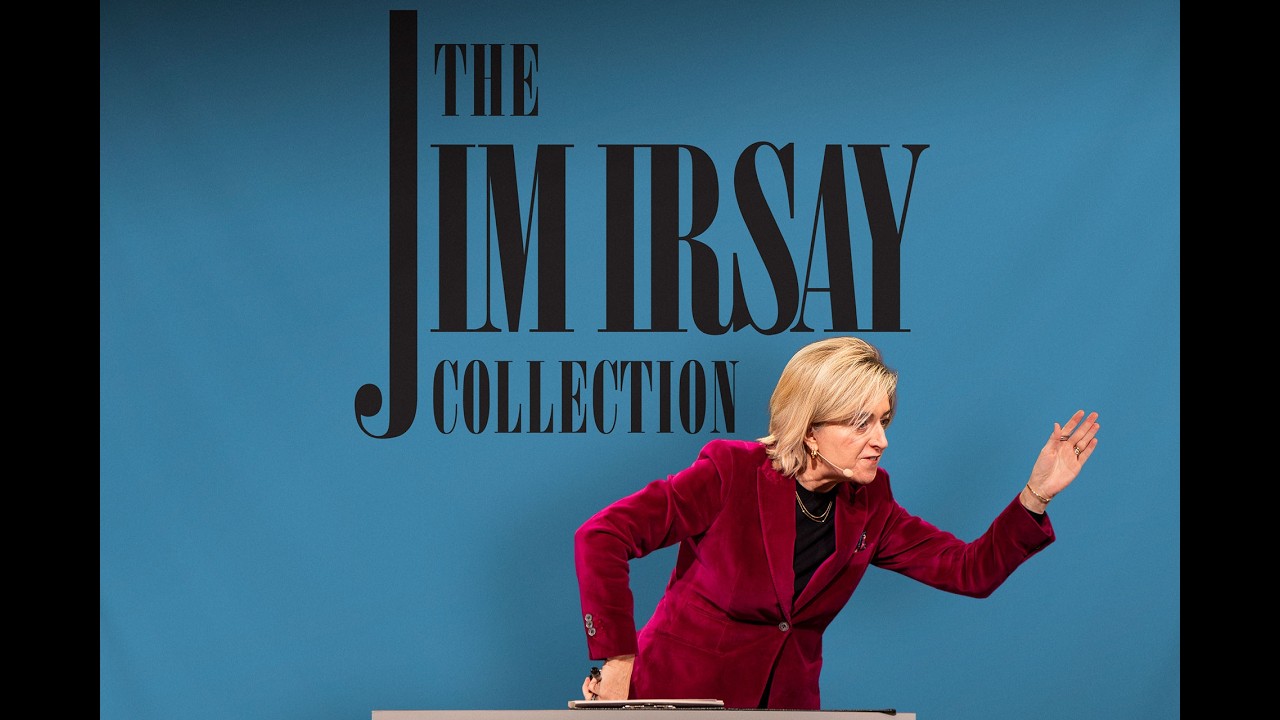
What the Jim Irsay collection taught the world
$94.5 million, 100 percent sold, twenty-eight world records — and one clear lesson about provenance.
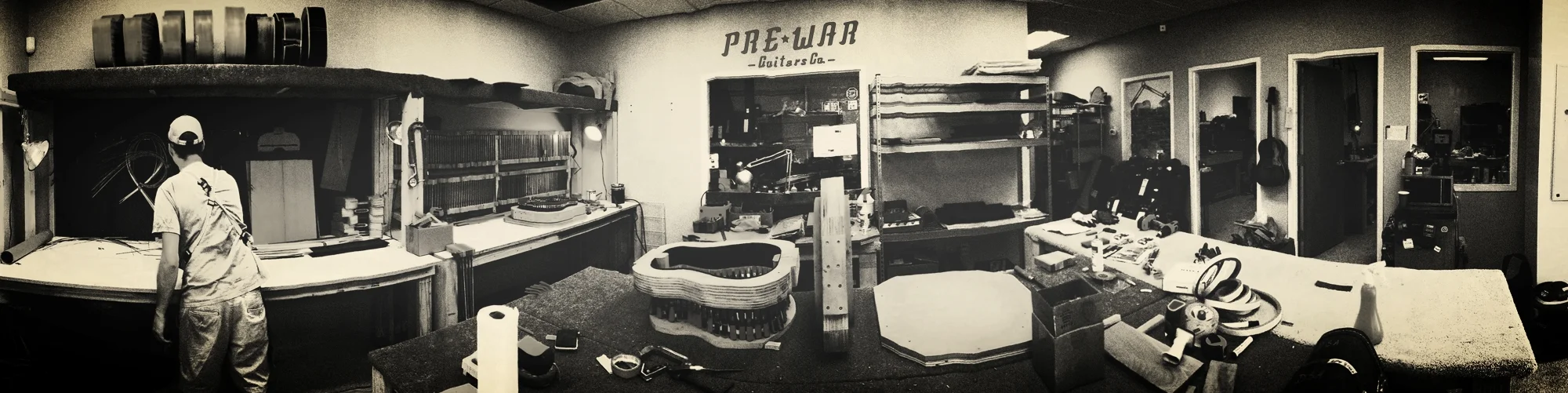
Pre-War Guitars Co. adds Gearcheck as an optional provenance layer
New old guitars of the future, now able to start their documented story on day one.