
Institutions
How Pacific String Museum uses Gearcheck to keep instruments in conversation with researchers, artists, and students
A living history asks for a record that can still be played.
Gearcheck
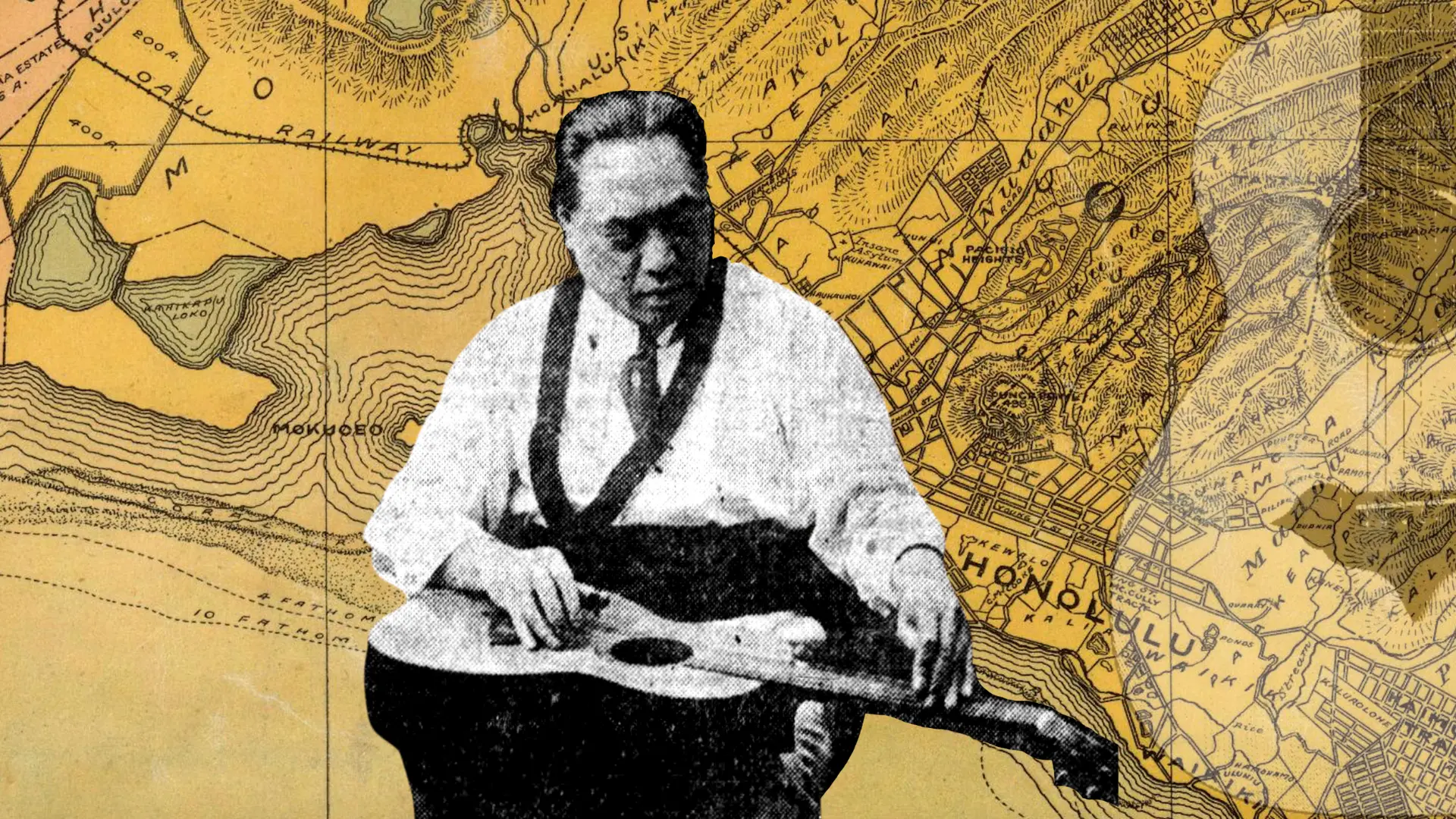
An instrument is never only wood and wire. It is a route: who made it, who played it, what was repaired, what song it carried. Pacific String Museum was built to hold that route in public view. Gearcheck is how the museum keeps it alive.
The museum is a project of the Kealakai Center for Pacific Strings, founded in 2019 by luthier and researcher Kilin Reece. After arriving in Hawaiʻi in 2002, Reece spent years restoring family heirlooms and rare instruments — and watching their stories scatter across archives, shop notes, and memory. KCPS grew from that gap: Hawaiʻi is a source of guitar, ʻukulele, and steel-guitar history, and the instruments themselves are the evidence.
Gearcheck gives each piece a working record. Maker and model sit next to photographs, ownership, conservation, performance use, and source materials. When Reece opens a seam, a scholar finds a newspaper mention, or a student records the instrument in a new context, the file updates. Provenance becomes a timeline, not a plaque.
Researchers get a single chain of dates, repairs, and citations. Artists get setup, repertoire, and context they can actually play from. Students get a primary source they can study object by object. The museum’s argument — that Pacific makers and musicians shaped the instruments the world now takes for granted — becomes visible at the scale of one guitar.
That is the point of a living history: each instrument keeps a room of its own, and the record can still be played.
Every record. Every story.
More stories
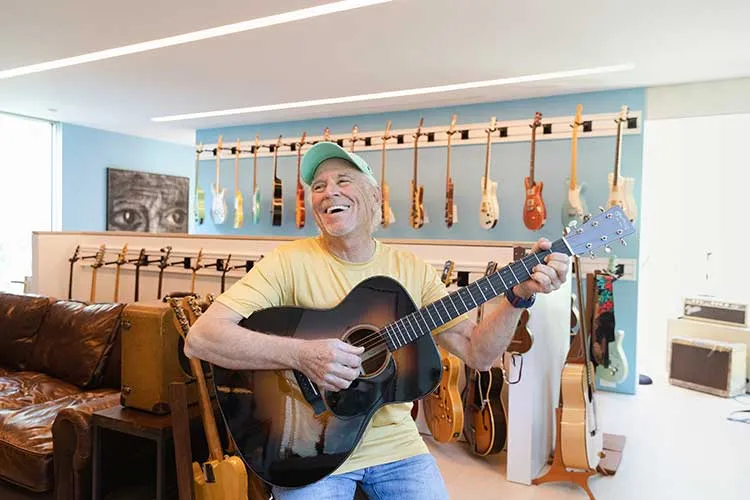
Gearcheck selected to organize and curate the Jimmy Buffett collection
The estate has entrusted Gearcheck with documenting the instruments that carried a lifetime of songs — ahead of a sale at Christie's.

What the Jim Irsay collection taught the world
$94.5 million, 100 percent sold, twenty-eight world records — and one clear lesson about provenance.
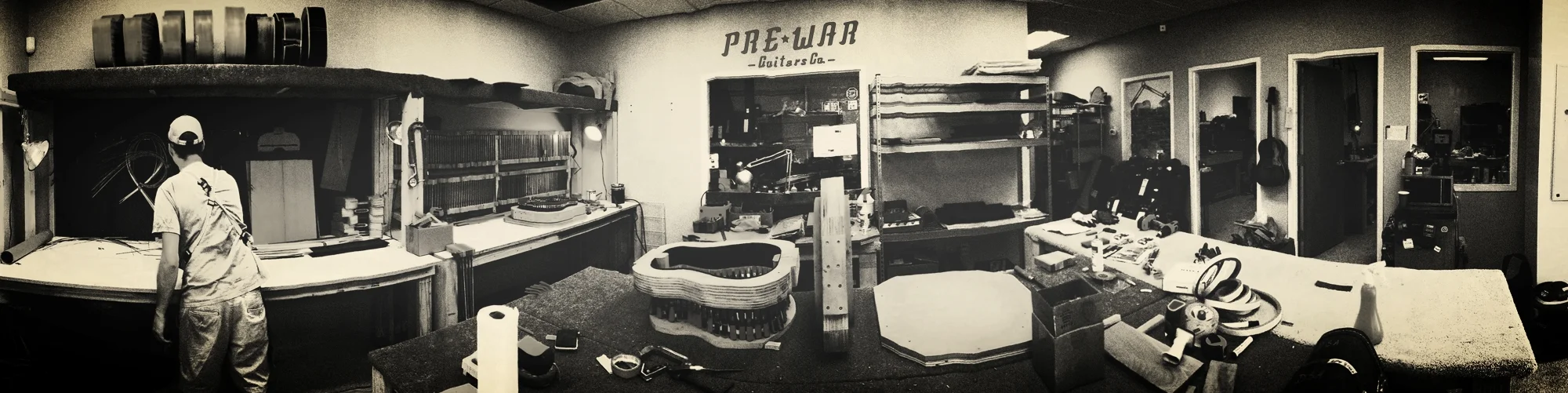
Pre-War Guitars Co. adds Gearcheck as an optional provenance layer
New old guitars of the future, now able to start their documented story on day one.