
Partnerships
Gearcheck Partners with the Vintage Guitar Price Guide
Gearcheck has partnered with the Vintage Guitar Price Guide to make trusted market context part of each instrument’s living record.
Gearcheck
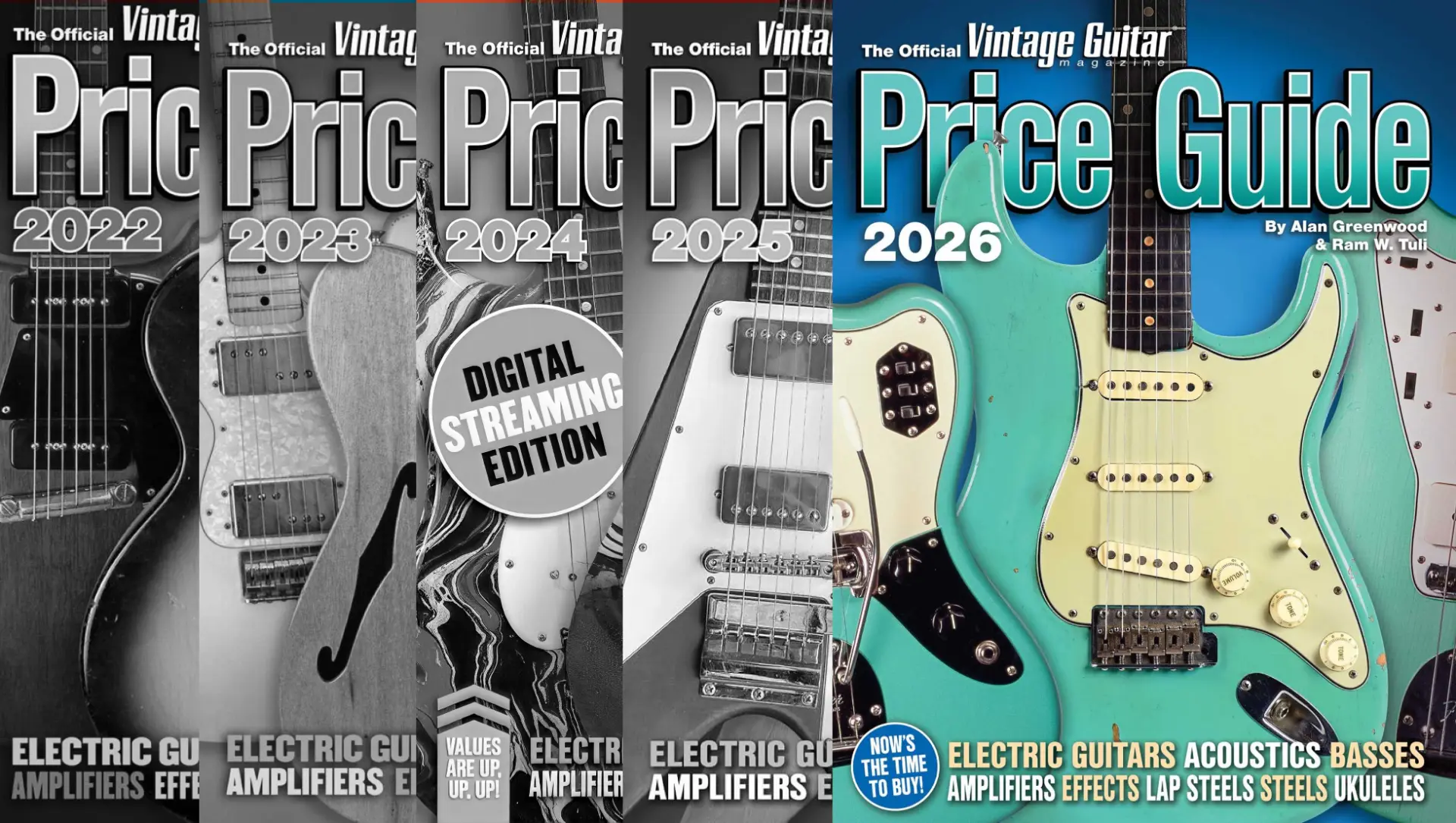
A vintage guitar can be easy to recognize and difficult to value. A familiar logo on the headstock may identify the maker, but year, model, originality, condition, repairs, provenance, and current demand all help determine what an instrument may be worth. That is why a useful vintage guitar valuation begins with better information—not a single number found in isolation.
What is the Vintage Guitar Price Guide?
For more than two decades, the Vintage Guitar Price Guide has served as a trusted reference for dealers, appraisers, collectors, and experts across the vintage market. Created and refined by people who have spent their careers studying instruments, the annual printed guide brings together careful research, real-world market experience, and accumulated judgment in one respected resource.
The guide gives owners a credible place to begin. It helps establish an expected value range for a properly identified instrument and provides market context across makers, models, and years. It is more useful than relying on an asking price from a single listing, which may not reflect a completed sale—or the condition and originality of the guitar in hand.
How to identify a vintage guitar before valuing it
Before consulting any vintage guitar price guide, identify the instrument as precisely as possible. Record the maker, model, approximate year, serial number, finish, construction details, electronics, hardware, and case. Clear photographs of the front, back, headstock, serial number, labels, pickups, controls, and areas of wear can preserve evidence that may matter later.
Originality and condition can materially change the value of two otherwise similar guitars. Refinished surfaces, replaced pickups, changed tuners, repaired necks, altered wiring, or missing parts may affect the market differently. So can a well-documented ownership history. Receipts, repair notes, appraisal documents, and photographs give an appraiser or prospective buyer more than a claim to work with: they provide a record.
Vintage guitar valuation vs. a formal appraisal
A price-guide range is not the same thing as a formal vintage guitar appraisal. The guide supplies informed market context. An appraisal considers the specific instrument, its condition, originality, documentation, and the purpose of the valuation. Insurance scheduling, estate planning, donation, and a potential sale may each require different evidence or professional judgment.
A digital price guide connected to your collection
Gearcheck brings the Vintage Guitar Price Guide into the collection itself. Instead of keeping a printed reference on one shelf and an instrument record somewhere else, owners can map guide data directly to the guitars they have documented. As the market moves, automatic price mapping helps turn a fixed inventory into a clearer, more current view of the collection.
That connection matters because value is most useful when it sits beside the facts that support it. An instrument record can keep identification details, photographs, receipts, service history, provenance, and valuation context together. Collectors can understand what they own; appraisers can begin with organized source material; and families or institutions can inherit records that are legible rather than a room full of unanswered questions.
Why current values and complete records matter
For insurance, current records can make conversations about coverage more informed. For estate planning, they can help distinguish one instrument from another and preserve the reasoning behind a value. When an instrument is sold or transferred, its documented history can move with it instead of being separated at the moment it matters most.
No database can replace close examination or specialist expertise. But a trusted vintage guitar price guide, paired with a complete instrument record, creates a stronger starting point for valuation and appraisal. It replaces guesswork with context and makes that context easier to preserve over time.
We are proud to work with a resource that has earned its place as a long-standing standard in the vintage guitar world. Together, the Vintage Guitar Price Guide and Gearcheck help collectors keep the stories, records, and values of important instruments clear, current, and connected.
Every record. Every story.
More stories

Gearcheck selected to organize and curate the Jimmy Buffett collection
The estate has entrusted Gearcheck with documenting the instruments that carried a lifetime of songs — ahead of a sale at Christie's.

What the Jim Irsay collection taught the world
$94.5 million, 100 percent sold, twenty-eight world records — and one clear lesson about provenance.
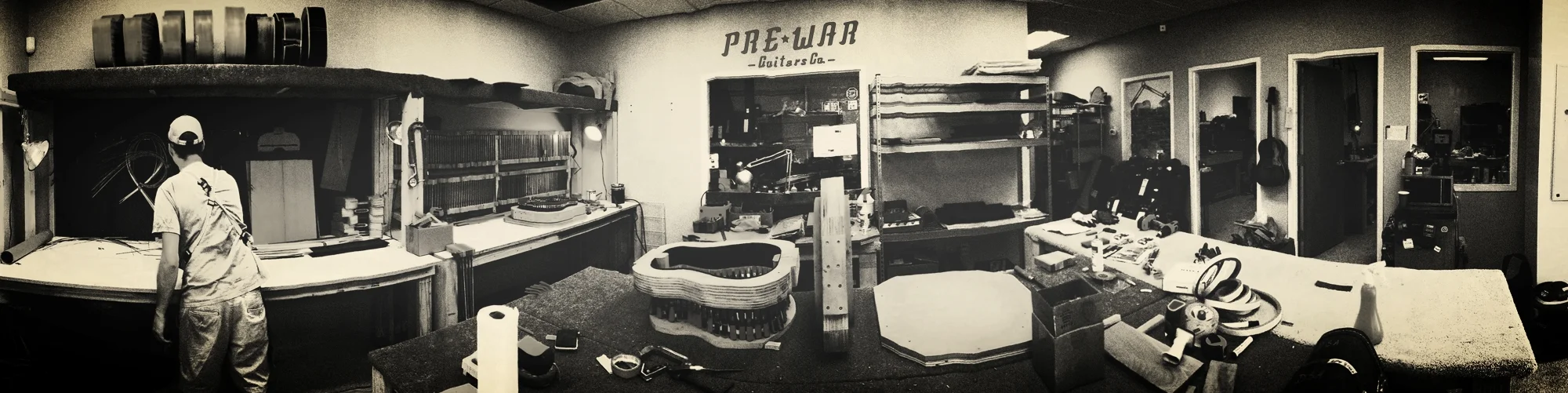
Pre-War Guitars Co. adds Gearcheck as an optional provenance layer
New old guitars of the future, now able to start their documented story on day one.