
Essay
The future of collectibles is forensics and data
The value of a collectible has always rested on two pillars: what it is, and the confidence that it is exactly what it claims to be.
Gearcheck
The value of a collectible has always rested on two pillars: what it is, and the confidence that it is exactly what it claims to be. In a world moving relentlessly digital, that second pillar is under more pressure than ever — and the market is beginning to price the difference.
Across categories, the pattern is the same. In fine art, estimates of fakes and misattributions remain stubbornly high, while AI now generates convincing certificates of authenticity, invoices, and ownership histories that can fool even experienced eyes. In watches and luxury cars, specialists report high rates of altered movements, dials, and documentation; AI-generated listing photos have already appeared on major auction platforms. Trading cards face sophisticated counterfeits and grading scandals. Wine, whisky, and antiquities markets continue to wrestle with forged labels and incomplete provenance. The good news is greater transparency tools and growing institutional adoption of linked certificates. The bad news is that trust is eroding faster than many systems can adapt. The harder reality is that deepfakes and generative tools make both physical and documentary fraud cheaper and harder to detect than ever before.
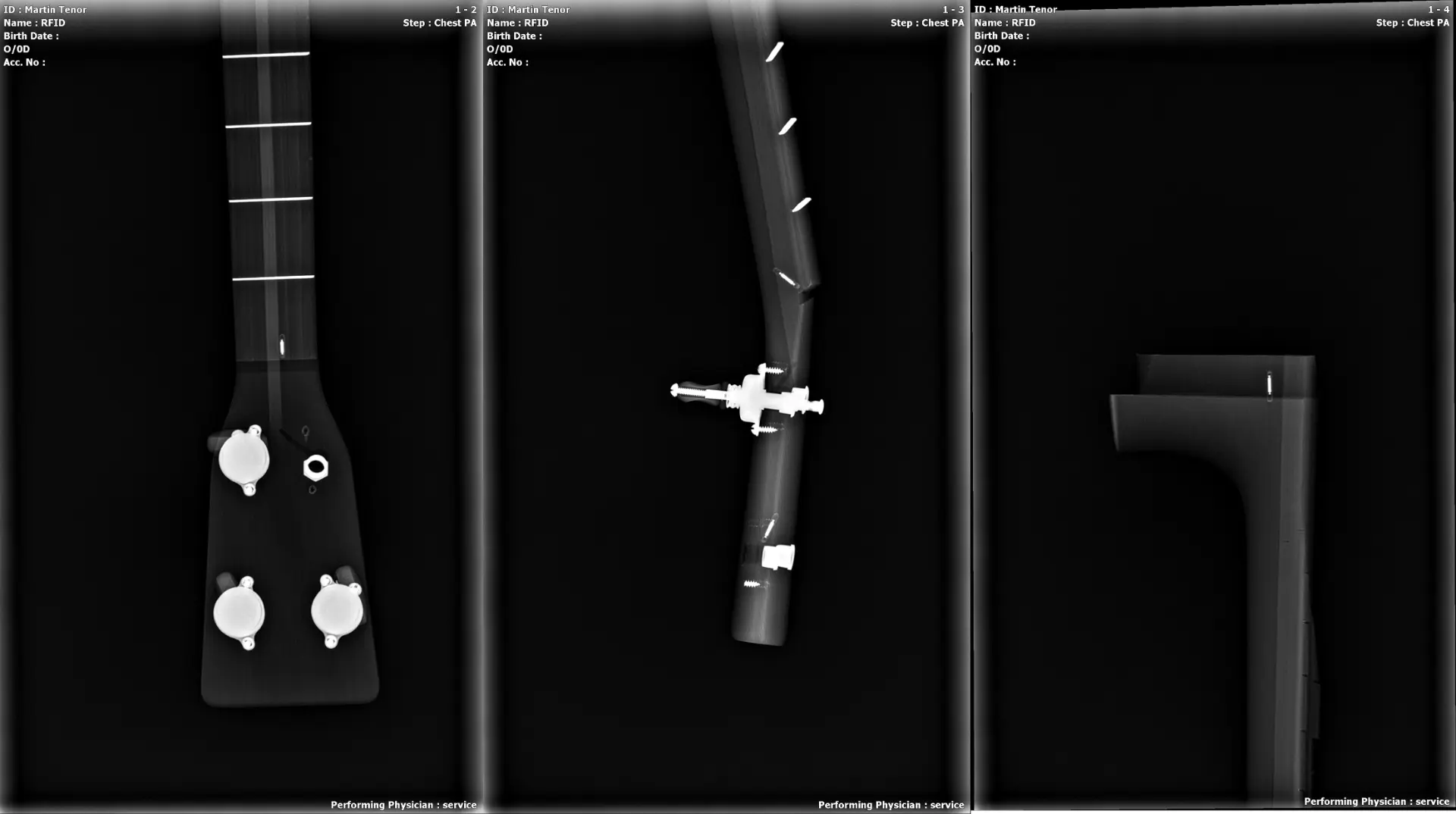
Guitars are not immune. Refinishes invisible to the naked eye, replaced parts, and manufactured “history” can swing value dramatically — sometimes by 50 to 80 percent. Traditional expertise remains essential, but it is no longer sufficient on its own. Forensic analysis of finishes, plastics, metals, wood, and construction details is moving from optional to expected for high-value instruments. Spectrometry, comparative chemical datasets, microscopy, radiography, and dendrochronology are already being applied in the vintage guitar world, adapting methods long used in cultural-heritage science and the art market.
A ledger does not magically authenticate a physical object. It can, however, permanently anchor the results of rigorous historical research and forensic testing — serials, material analysis, photographs, ownership chain, condition reports — into an immutable, organized record. Once that verified data is locked in place, the instrument carries a durable digital passport that travels with it.
The market consequence is already visible in other categories and is arriving for guitars: instruments that pass a thorough historical and forensic examination, with that evidence organized and secured, are beginning to separate in value from those that remain undocumented or suspect. Confidence commands a premium. Uncertainty exacts a discount.
Gearcheck exists to make that organized, secure record practical — turning scattered paper, photos, and expert findings into a coherent, anchored history that owners, insurers, appraisers, and future buyers can trust. In a digital age where forgery is easier and market confidence is harder to earn, the collectibles that can prove what they are will be the ones that retain and grow their value.
Every record. Every story.
More stories
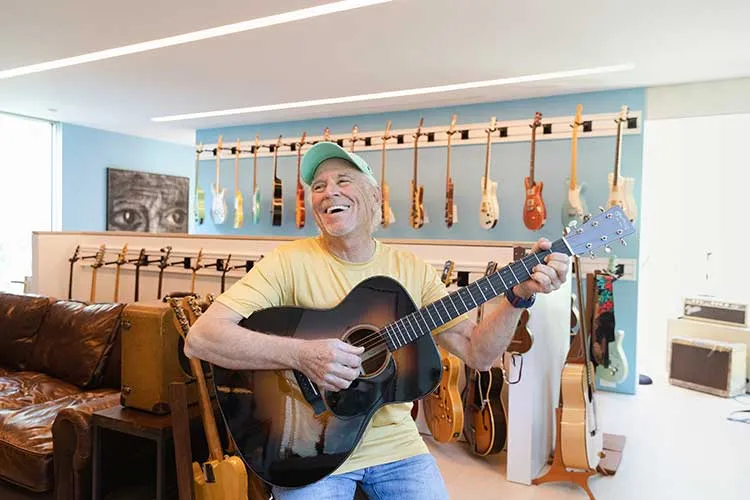
Gearcheck selected to organize and curate the Jimmy Buffett collection
The estate has entrusted Gearcheck with documenting the instruments that carried a lifetime of songs — ahead of a sale at Christie's.

What the Jim Irsay collection taught the world
$94.5 million, 100 percent sold, twenty-eight world records — and one clear lesson about provenance.
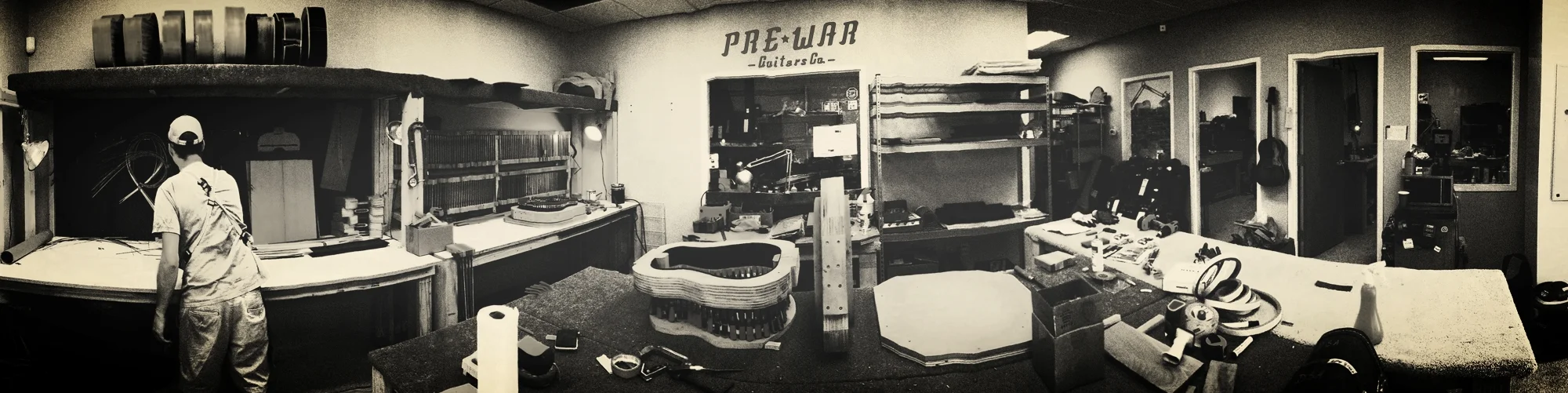
Pre-War Guitars Co. adds Gearcheck as an optional provenance layer
New old guitars of the future, now able to start their documented story on day one.